Book Recommendations
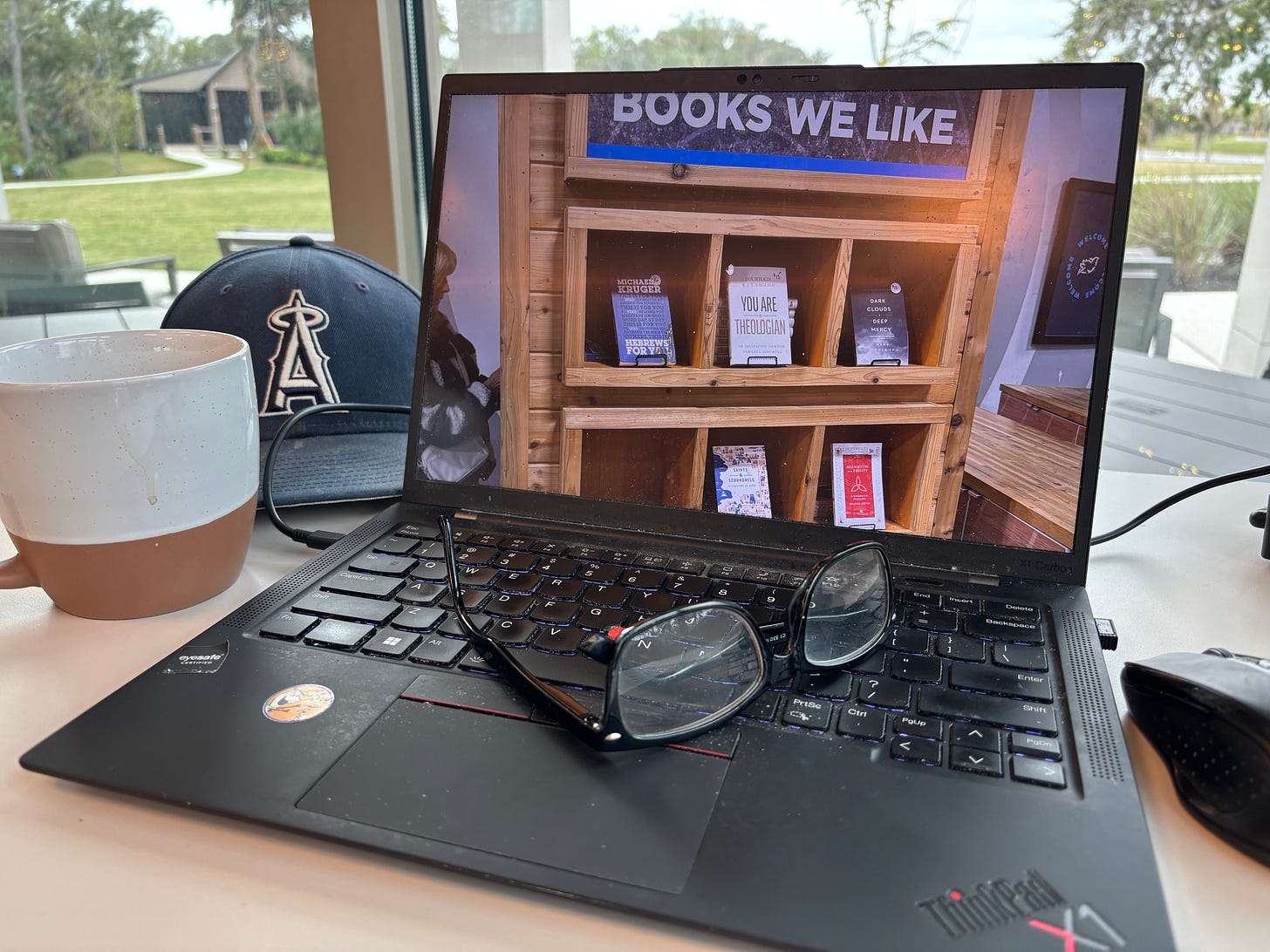 Orlando, Florida, December 2025
In his futuristic 2024 novel, I Cheerfully Refuse, Leif Enger writes, “By this time of course reading itself was slipping into shadows. There was a sinuous mistrust of text and its defenders.”
We’re racing toward that dystopian world really fast; all signs show that reading in America is in a slump, and I’m afraid that’s a long-term trend. Yet paradoxically, Americans publish many more books today than ever before.
Don’t let that make you cynical about reading; instead, find a good book.
I’ve selected these titles specifically for you, my readers. They’re not how-to manuals or technical handbooks; instead, they’re meant to stretch your thinking, develop your leadership, and identify applications to data.
Here’s some advice: if you want to read more, take a book with you everywhere you go. Give some of these a try!
Supercommunicators: How to Unlock the Secret Language of Connection, by Charles Duhigg, Random House, 2024.
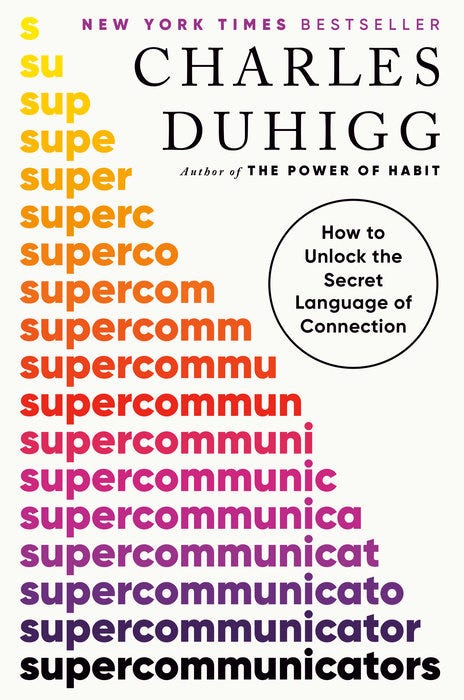 Early in your career, you might think that if everyone were “data-driven” (like you), your company could finally start making better decisions. Slowly, you realize the most critical decisions in your company don’t happen because of good reports or even great data solutions. It’s the conversations that change things. That’s why you need Charles Duhigg’s bestselling book: learning to have meaningful conversations is more urgent than ever before.
Essentialism: The Disciplined Pursuit of Less, by Greg McKeown, Random House, 2014.
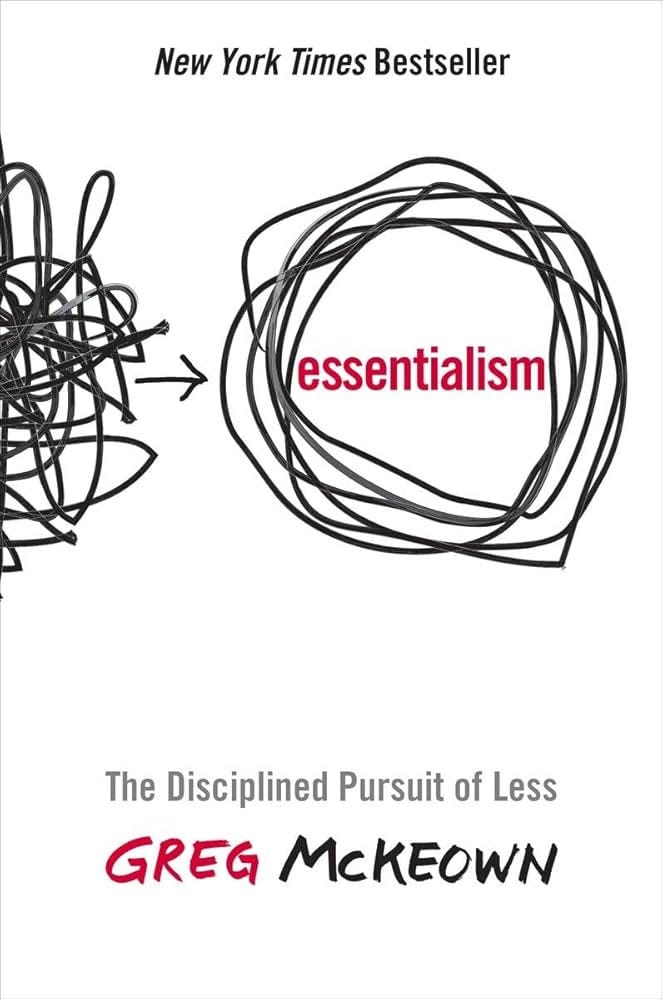 Have you ever wondered if your work will have any lasting value? Greg McKeown wants you to stop pretending obvious questions like this don’t haunt you. Manic busyness plagues most of the people I work with; it’s built into the systems of corporate life, a bottomless pit of meetings and seemingly good goals to accomplish. Reading this book will force you to look at this differently; it will help you stop fooling yourself that you can do it all. It will help you become an Essentialist.
Amusing Ourselves to Death: Public Discourse in the Age of Show Business, by Neil Postman, Penguin Books, 2006 (originally published 1985).
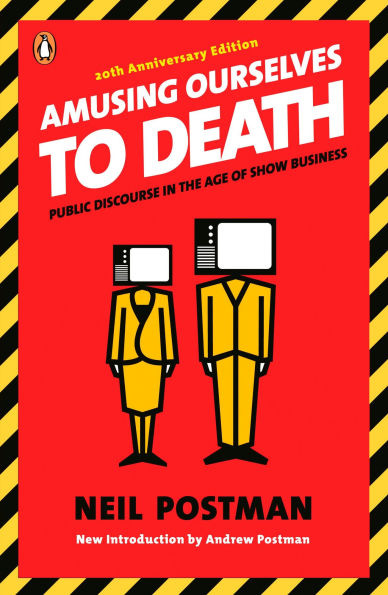 Neil Postman wrote this masterpiece in 1985, explaining how television transformed American life into an entertainment culture. Why is this relevant for data leaders today? We use technologies to understand what’s happening in the real world. Postman’s thesis - the medium is the metaphor - applies to almost any of those technologies. And that’s what you, dear data leader, do every day: you explain the world to decision makers with reports and dashboards. So yes, you should read this book.
Superbloom: How Technologies of Connection Tear Us Apart, by Nicholas Carr, W. W. Norton & Company, 2025.
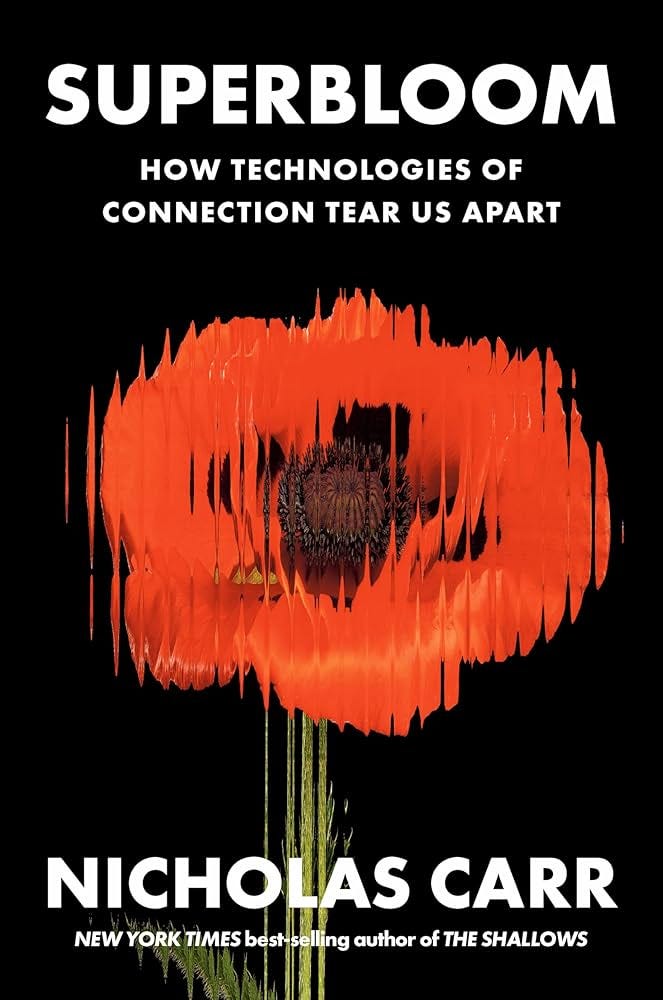 Like Postman did for his generation, Nicholas Carr peels back the curtain on today’s seismic shifts in communication technology. The “industrialization” of communication reduces everything to data; it also threatens to turn people into data. But Carr is not an escapist, and I love the way he urges readers to persevere in practices that keep us human. “You can only get beyond the material by going through the material, by suffering and surmounting its frictions. And that becomes harder and harder to accomplish or even to imagine the more that life is mediated by mechanisms of communication,” he says. This long-awaited book does not disappoint.
I Cheerfully Refuse, by Leif Enger, Grove Press, 2024.
 Enger writes books that defy cynicism’s grip on the world. Amazingly, his first blockbuster novel, Peace Like a River, was published on September 11, 2001, making me wonder whether some providential hand inspires his stories. I Cheerfully Refuse is set in a believable, dystopian future; it’s a thriller and a love story with an incredible sense of place, and it’s a life lesson in not losing hope. It’s so rich in beautiful, profound sentences that I want to memorize many of them. We could all use some good fiction like this to shift our perspective on the scary world around us.
Fermat’s Enigma: The Epic Quest to Solve the World’s Greatest Mathematical Problem, by Simon Singh, Anchor, 1998.
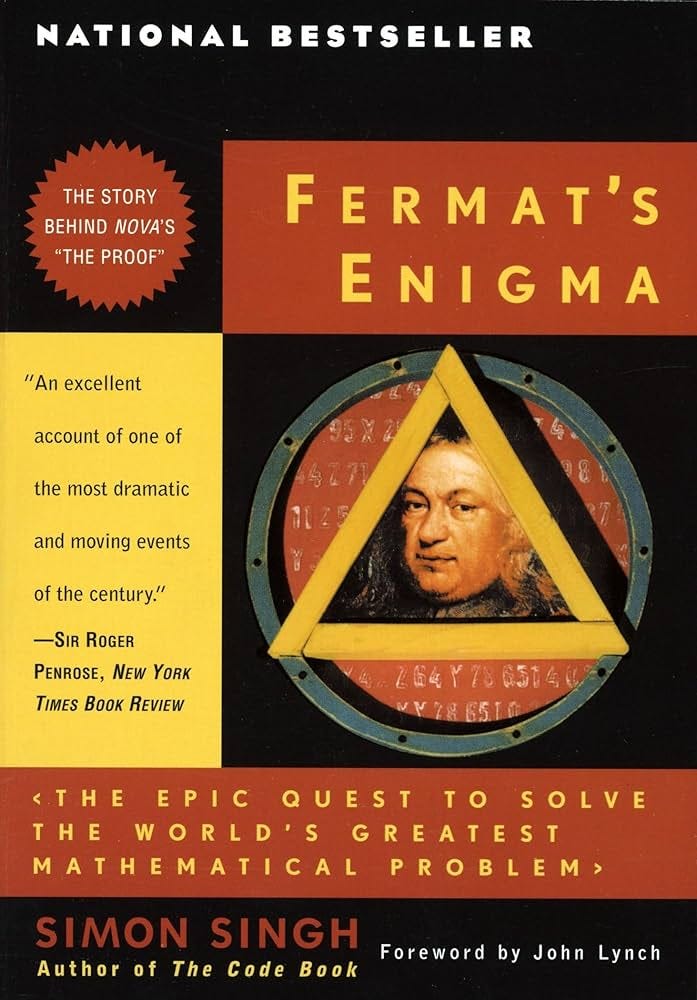 Will mathematical proofs seem less important as AI and supercomputing grow closer to testing every possible scenario of a problem? I’m not qualified to answer that, but a friend (who helped build blockchain) shares my concern. That’s a massive loss to humanity, because mathematical proofs open a window to realities that can’t be reduced to data. There’s hope, however: the best data engineers I know moonlight as philosophers. For them, data isn’t reality, only a reflection of it. Singh turns one of history’s most abstract data challenges into a dramatic, page-turning story, where you learn a lot about discrete math and the beauties of what it represents.
Frictionless Data: Solutions for Better, Faster Decisions, by Zane Hall, Business Expert Press, 2025.
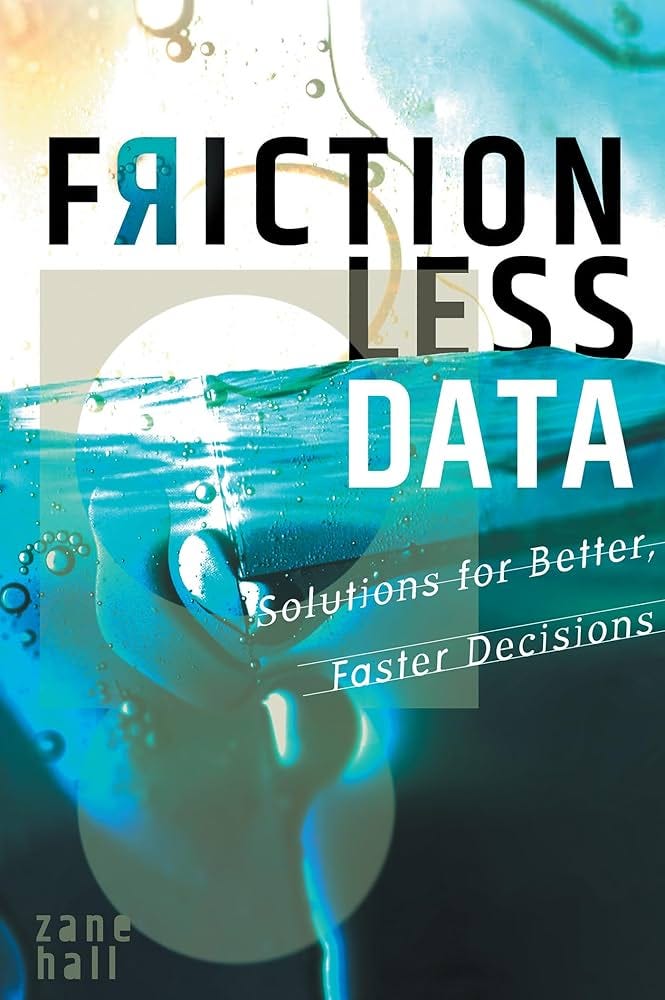 Almost nobody writes about data from a middle management perspective, yet that’s the level that makes or breaks the quality of life for people in most companies. Data can torture people or set them free to do their jobs, and you can make a huge difference in people’s lives by managing it well. I know the author of this book, and he asked if you could help him spread the news about Frictionless Data byrating and reviewing his book on Amazon.
Late Addition!
The Uncontrollability of the World, by Hartmut Rosa, Polity, 2020.
 Rosa tells us that life on Earth has always resisted our efforts to control it; the more you expect to manage the world around you, the more you’ll resent it. Life begins when you encounter the uncontrollable parts of the world. When I recommended this book last year, I didn’t know the Old Testament book of Ecclesiastes inspired it - I learned that through a new book that builds on Rosa’s thesis, Everything Is Never Enough. We’ll make an earnest attempt to apply this wisdom to the data world in 2026!
Honorable Mentions:
Out of the Crisis, by W. Edwards Deming, Massachusetts Institute of Technology, 1982 (republished 2018 by The MIT Press).
Deming sounds like Solomon (whom he quotes a lot!) in this book full of rich wisdom for every manager, especially data leaders.
Thinking in Systems, by Donella Meadows, Chelsea Green Publishing, 2008.
This is an essential skill for a system thinker: knowing how to describe complexity without assuming you’ve figured it all out. You’ll see a full article on this idea soon!
The Discipline of Organizing, edited by Robert Glushko, The MIT Press, 2013.
Am I a technologist or a practitioner? Data leaders need to ask themselves this question, and Glushko’s manual helps you put all your data work into its largest context.
Happy reading in 2026!
To remind you of this week’s data concept, enjoy Girl of 100 Lists by The Go-Gos, from the Frictionless Data Spotify playlist.