Data Management Best Practices for Leaders

- When I told my friend – the best data architect I know – about my idea for last week’s article "Avoid Best Practices at All Costs," he thought I’d lost my mind. After I gave him a few examples of what I meant by my title, he said, "Oh, now I get it. You're writing to executives."
Ouch.
It’s easy for an executive to become an armchair quarterback.
Have you ever met a CIO who started their career developing data solutions? Most I’ve known came up through the ranks as system technicians or software managers. They haven’t worked as a business analyst using data to answer questions. On the other hand, many CFOs begin their careers as analysts, but their technical skills often remain limited to writing Excel macros. Very few executives understand the daily challenges people face when using and creating analytic solutions.
Making matters worse, they often rely on vendors for ideas. Vendors sell solutions to executives that oversimplify data work, overpromise outcomes, add complexity, and sometimes even counteract good data management practices. If you’re an executive directing your company’s data strategy, the odds for success are stacked against you. You have all the responsibility, but you may not have a solid grasp of the real best practices.
You could use some help to bridge the gap. Here’s the first step: avoid becoming an armchair quarterback.
Confidence vs. Competence
“Armchair quarterback” was a perfect description of me when I started managing data teams. I was often the manager who confidently shared opinions but lacked the knowledge and experience in the subject I was commenting on.
That's a simplified explanation of the Dunning-Kruger effect, which describes how people overestimate their skills when they actually know very little about a subject, like an executive making technical decisions about their company’s data solution.
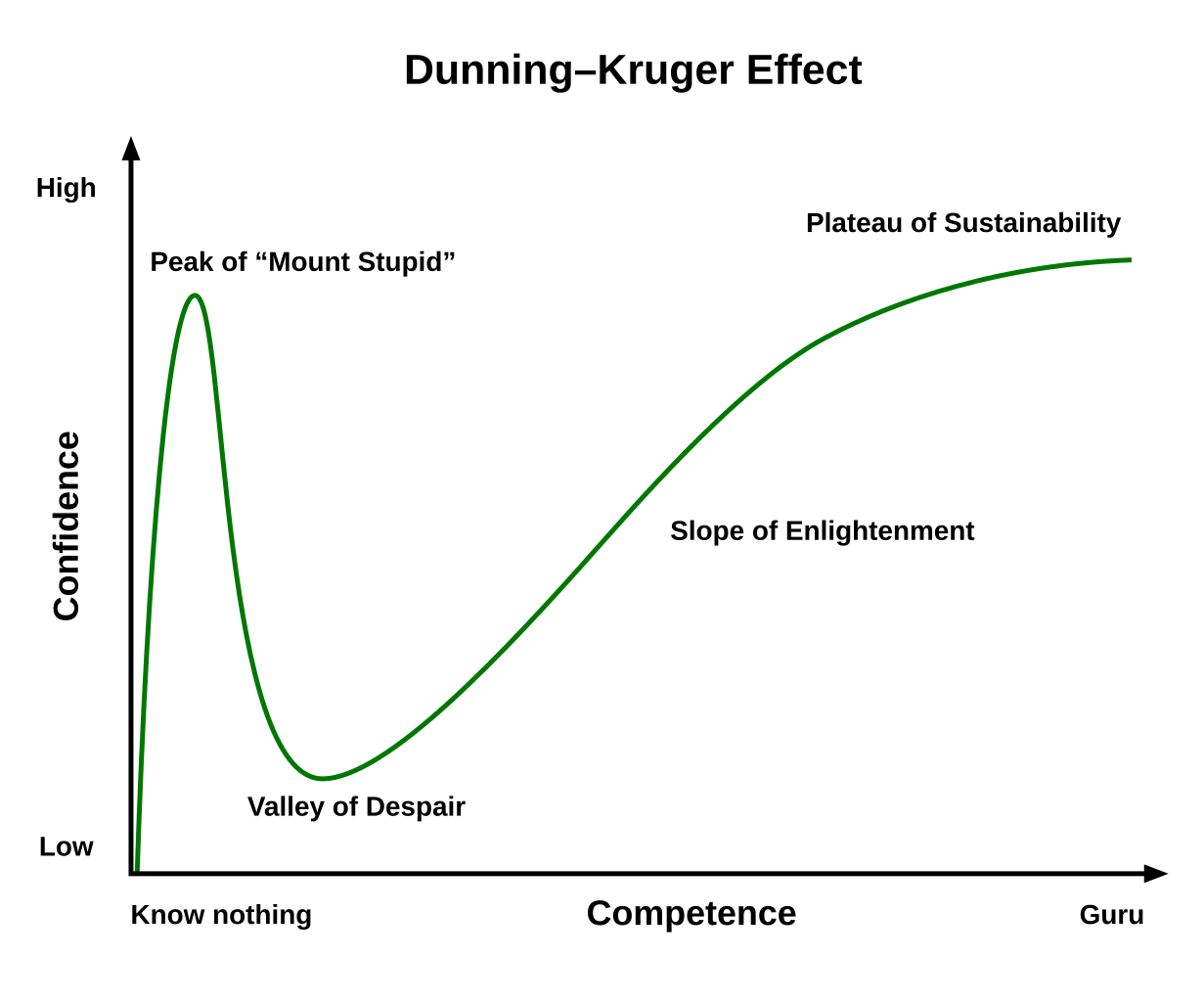 I've been that executive, made those decisions, and then found myself standing on the peak of Mount Stupid.
For example, my simplistic business thinking once led me to believe that an invoice would accompany every shipment my company made. In reality, a shipment to a customer may include items from multiple orders. Linking shipments to orders involves connections to numerous business processes, not just invoices. If I forced my team to fit the data to my oversimplified understanding of this relationship, I would have made their work more difficult and less accurate. Writing the most efficient code possible to connect that data wasn’t the best solution.
Like an NFL quarterback trying to throw a football into triple coverage, that pass probably won’t connect, no matter how well he throws the ball. More often than not, learning more about how the business works leads to a better solution.
Bridging the Gap
With help from my teams, I’ve created a list of best practices for managing data that addresses both business and technical mistakes. These best practices apply to any data solution in any company, regardless of its industry or technology. I’ve written an article explaining each one:
Always fix data at the source.
Following these best practices will help you bridge that gap between business and technical expertise - and avoid armchair quarterback syndrome.